
Environmental Baseline Studies (EBS)
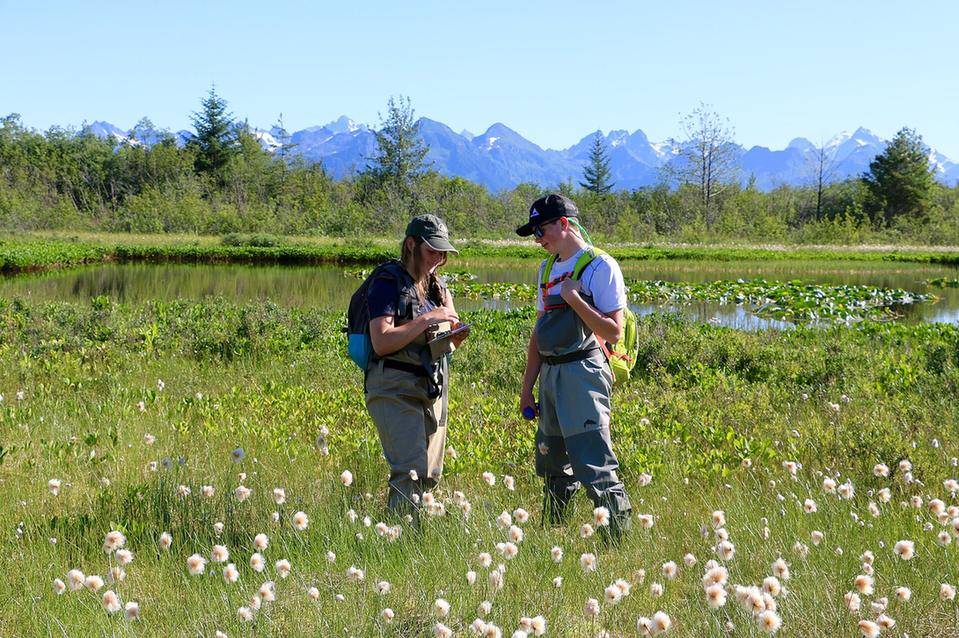
An Environmental Baseline Study records the existing condition of a site and its surroundings before construction or operation begins. Field teams sample soil, surface water, groundwater and marine sediment, measure ambient air quality and noise, and survey habitats, flora and fauna, often across more than one season. Samples are analysed in accredited laboratories, and results are compared with national and international guideline values. The baseline becomes the reference point against which future change is measured. It feeds directly into impact assessments, supports monitoring programmes during construction and operation, and protects the project owner by documenting conditions that existed before the work started.
Environmental Risk Assessment (ERA)
An Environmental Risk Assessment estimates the likelihood and consequences of harm to people or ecosystems from a hazard such as a chemical release, contaminated land or an industrial process. It typically follows a source-pathway-receptor model: identifying what could be released, how it could travel through soil, water or air, and who or what could be exposed. Exposure is quantified using site data, fate-and-transport calculations and toxicity reference values, and the resulting risk is compared with acceptable limits. The outcome guides decisions on whether action is needed, how urgent it is, and which controls or clean-up targets are proportionate for the project.
Environmental Site Assessment (ESA)
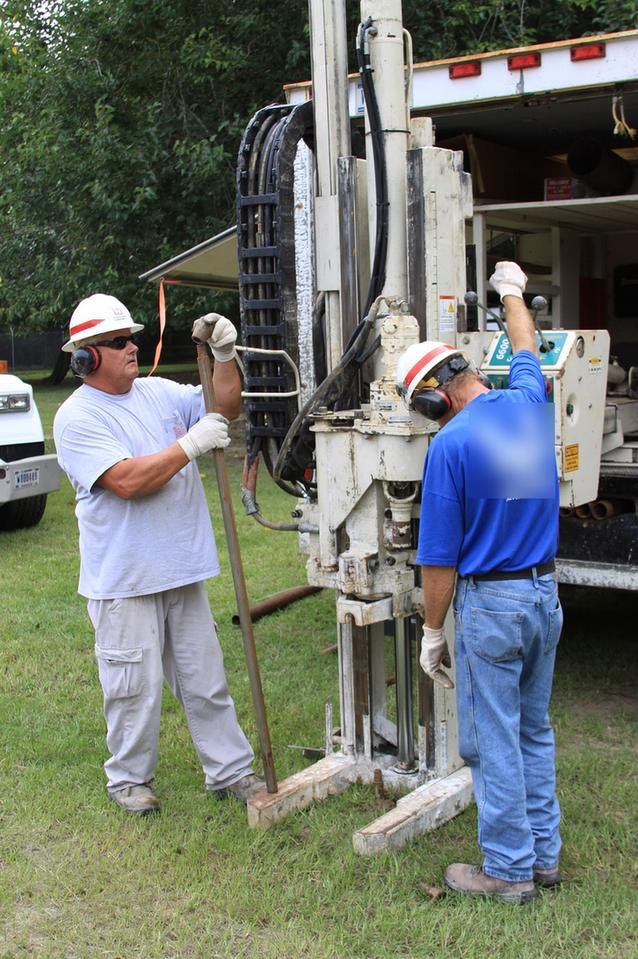
An Environmental Site Assessment determines whether a property is, or may be, contaminated. A Phase I ESA is non-intrusive: it reviews historical records, aerial photographs and regulatory databases, includes a site walkover and interviews, and identifies potential sources of contamination. If concerns are found, a Phase II ESA follows, collecting soil, soil-gas and groundwater samples using hand augers, direct-push rigs or drilled boreholes, with laboratory analysis for hydrocarbons, metals and other chemicals. Widely used practices include ASTM E1527 and E1903. ESAs are commonly required before land purchase, financing, redevelopment or lease handover, and they define the need for any further investigation.
Environmental Auditing & Permitting
Environmental auditing is a systematic, documented check of whether a facility or project is meeting its legal requirements, permit conditions and internal environmental management system. Auditors review records, monitoring data and procedures, inspect operations, and interview staff, then report findings and corrective actions. Permitting is the parallel process of obtaining and maintaining the approvals a project needs, such as environmental clearance, air emission and wastewater discharge permits, and waste handling licences. This involves preparing applications, technical supporting studies and compliance reports for the regulator. Together, auditing and permitting help projects start on time, operate lawfully and avoid penalties or shutdowns.
Environmental Emergency Response Planning
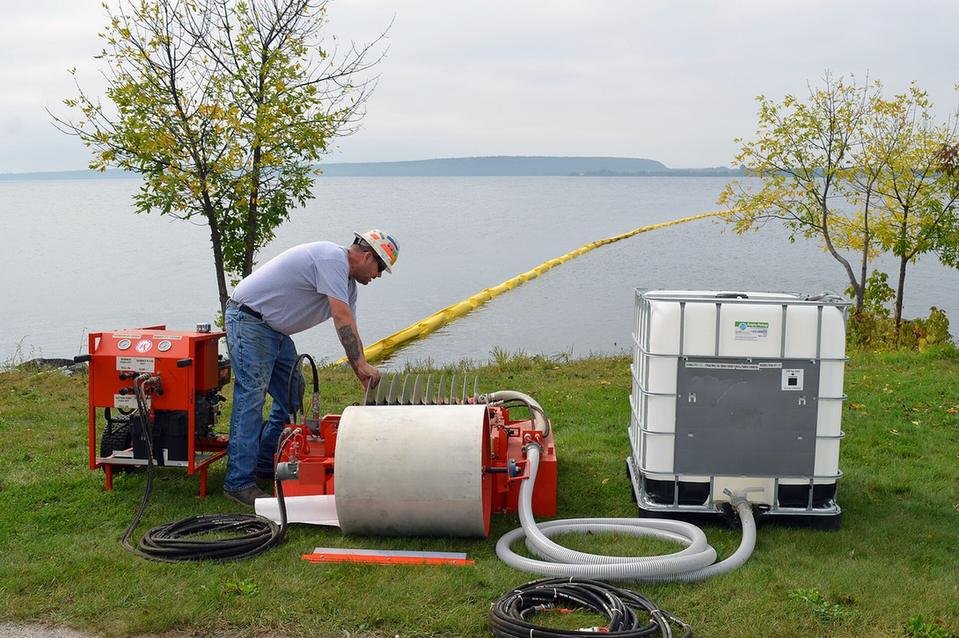
Environmental emergency response planning prepares a site to act quickly if an oil spill, chemical release, fire run-off or similar incident threatens the environment. The plan identifies credible spill scenarios, sensitive receptors such as coastlines, wetlands and water intakes, and the resources needed to contain and recover the release, including booms, skimmers, sorbents and spill kits. It sets out roles, notification routes to authorities, and step-by-step response procedures. Plans are tested through drills and exercises and updated afterwards. Such plans are often a permit condition for ports, marine works, fuel depots and industrial facilities.
Other capabilities in this service
Back to Environmental ConsultancyDiscuss your project with ATLAS GES
Tell us about your site and requirements, and our team will get back to you.
Get in Touch